Estimatein 1 hour
Home / Our work / AUTOMATION OF TAXI FLEETS WITH THE INTEGRATION OF YANDEX.TAXI AND UBER AGGREGATORS
Web services and business systems
SaaS · taxi

AUTOMATION OF TAXI FLEETS WITH THE INTEGRATION OF YANDEX.TAXI AND UBER AGGREGATORS

Fleet work automation with the integration of Yandex.Taxi and Uber aggregators allowed us to gain expertise in the specifics of taxi services and became

Timeline3 months
Development costUndisclosed
FormatSaaS · taxi
StatusYandex / Uber integration
Challenge
One fleet system wired to Yandex.Taxi and Uber APIs
Solution
Microservices, Kafka, analytics and export to 1C
Result
Scattered tools replaced; fleet SLA above 99.9%

Why we automated the taxi fleet

The client needed one system that pulls trips, fines, bonuses and driver payouts from aggregators and turns the stream into management reports without copying between Yandex.Taxi, Uber apps and dispatcher spreadsheets by hand.

Dispatchers spent hours on summaries; accounting needed days for 1C reports. The fleet grew while data lived in different shapes and refresh rates — without normalization, fair driver incentives, shift-level margin control and live fleet utilization were impossible.

We designed a cloud platform with aggregator connectors, an analytics core and an owner cabinet. The goal was a real-time picture per driver, one window for dispatch, automatic finance export into accounting and reusable ESK know-how on aggregator tariffs without losing trips on connectivity blips.

Key capabilities

01
Aggregator connectors
REST and WebSocket links to Yandex.Taxi and Uber ingest orders, statuses, commissions and holds; streams normalize into one data model.
02
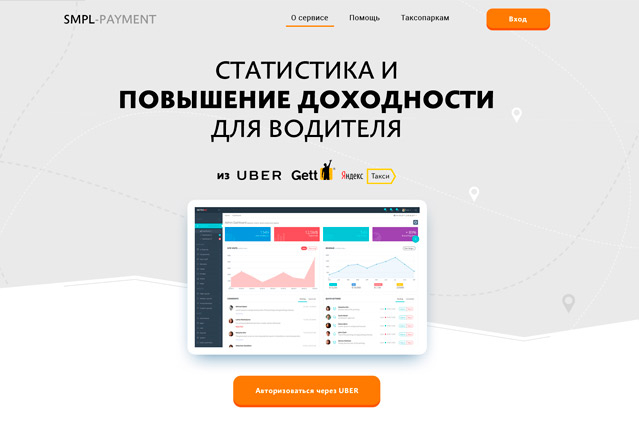
Analytics core
Raw events become marts: revenue, mileage, fines and bonuses per driver, shift or fleet for any date range.
03
Owner cabinet
Dashboards, charts and tables for live decisions: fleet utilization, problem drivers and trends by aggregator in one window.
04
Export to 1C
HTTP services and CommerceML push accruals and directories into 1C Accounting and fleet configs, cutting manual entry to minutes.
05
Driver incentives
Transparent stats per driver reduce disputes: trips, withholdings, bonuses and net payout are visible without arguing over spreadsheets.
06
Resilience
Kafka buffers peaks; clustered services and replay recover orders after brief aggregator outages without data loss.

How it works

Stack: Java microservices, PostgreSQL, Redis, Kafka for order streams, React in the cabinet. OAuth2 to taxi APIs; critical components run clustered with WebSocket intake for Yandex.Taxi and webhooks plus polling for Uber.

Analysts interviewed fleet owners, dispatchers and accountants while mapping tariffs, commissions, tips and toll accounting in both aggregator APIs. The unified data model drives marts, dashboards and accrual rules for 1C export.

Inbound events land in Kafka topics, then async writes to storage and analytics. Failed deliveries replay from the queue with idempotent keys so no trip is lost on a network blip or a short aggregator API outage.

How the work went

01Interviews and aggregator data model
02Yandex.Taxi and Uber connectors
03Marts, cabinet and 1C export
04Pilot, load tests and go-live

Technologies

JavaPostgreSQLKafkaRedisReactREST API1C exportOAuth2
Want a similar integration? A project like this starts from 1–3 months at a fixed price, or 0 for development with support from 45,000 ₽ / month.

What we delivered

The automated system fully replaced scattered fleet tools. Dispatchers no longer switch manually between aggregator apps — shift, driver and aggregator summaries live in one real-time window.

Accounting reports shrank from several days to an automatic export in minutes via HTTP services and CommerceML into 1C. Per-driver transparency enabled fair incentives, fewer conflicts and faster payout cycles without manual summaries.

In the first six months of production there was no critical data loss; service availability stayed above 99.9%. The project gave ESK deep expertise in major taxi aggregator APIs, became a reference for streaming events into fleet finance and showed how normalized data reduces daily friction between dispatch, drivers and accounting teams.

Related projects

All projects →

Need a similar product?

Describe the task — we will name the timeline and price within an hour.

Reply viawithin an hour