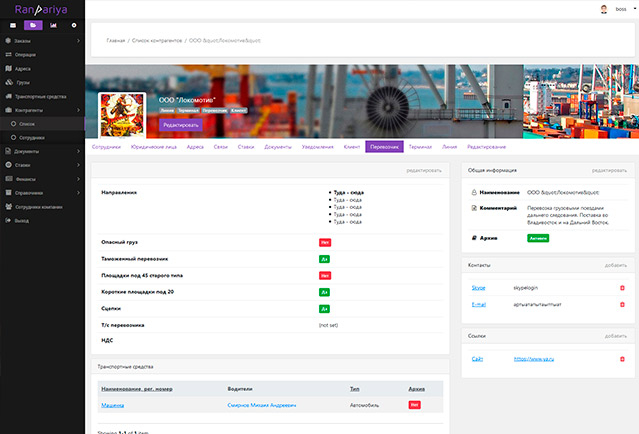
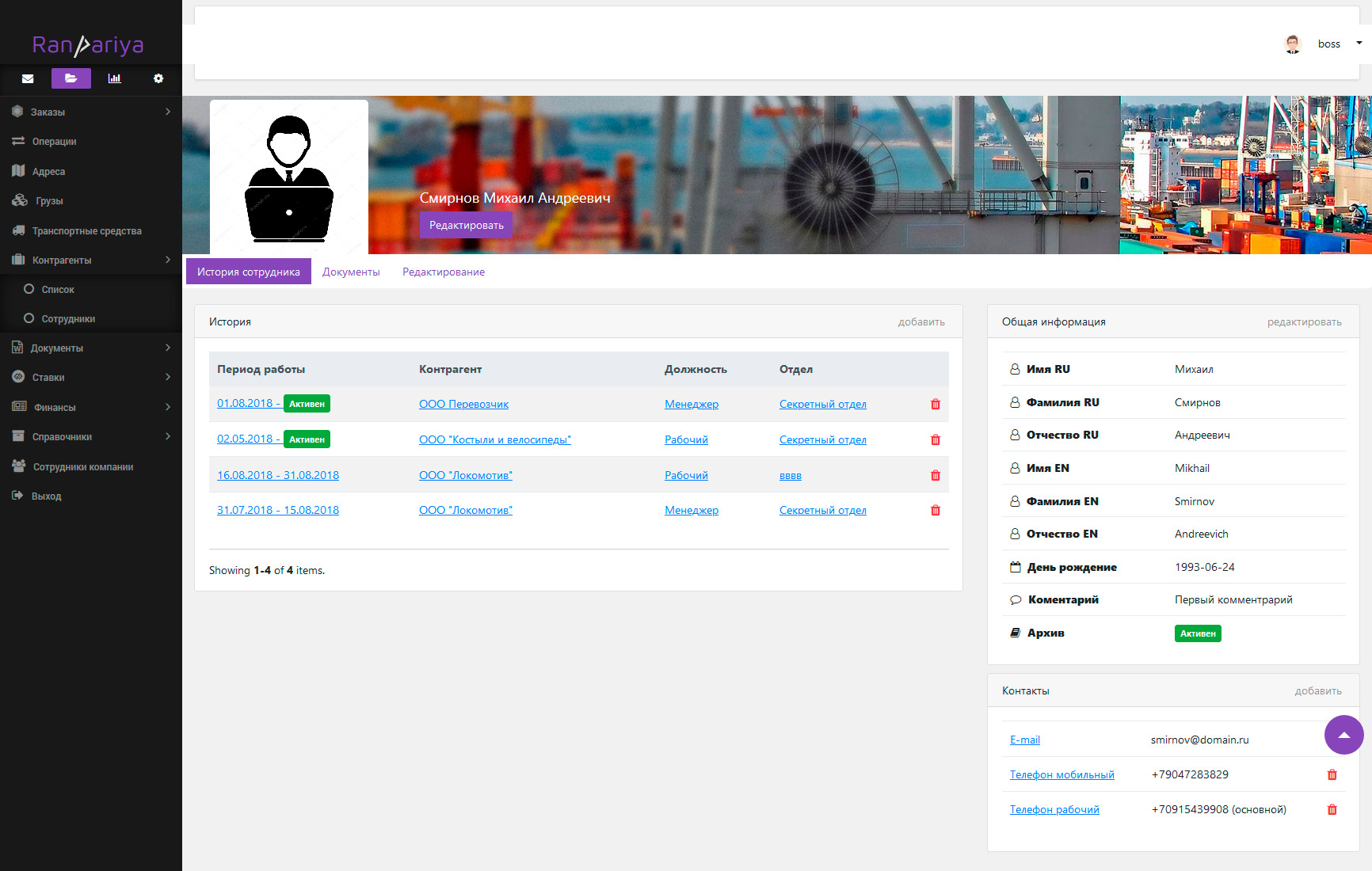
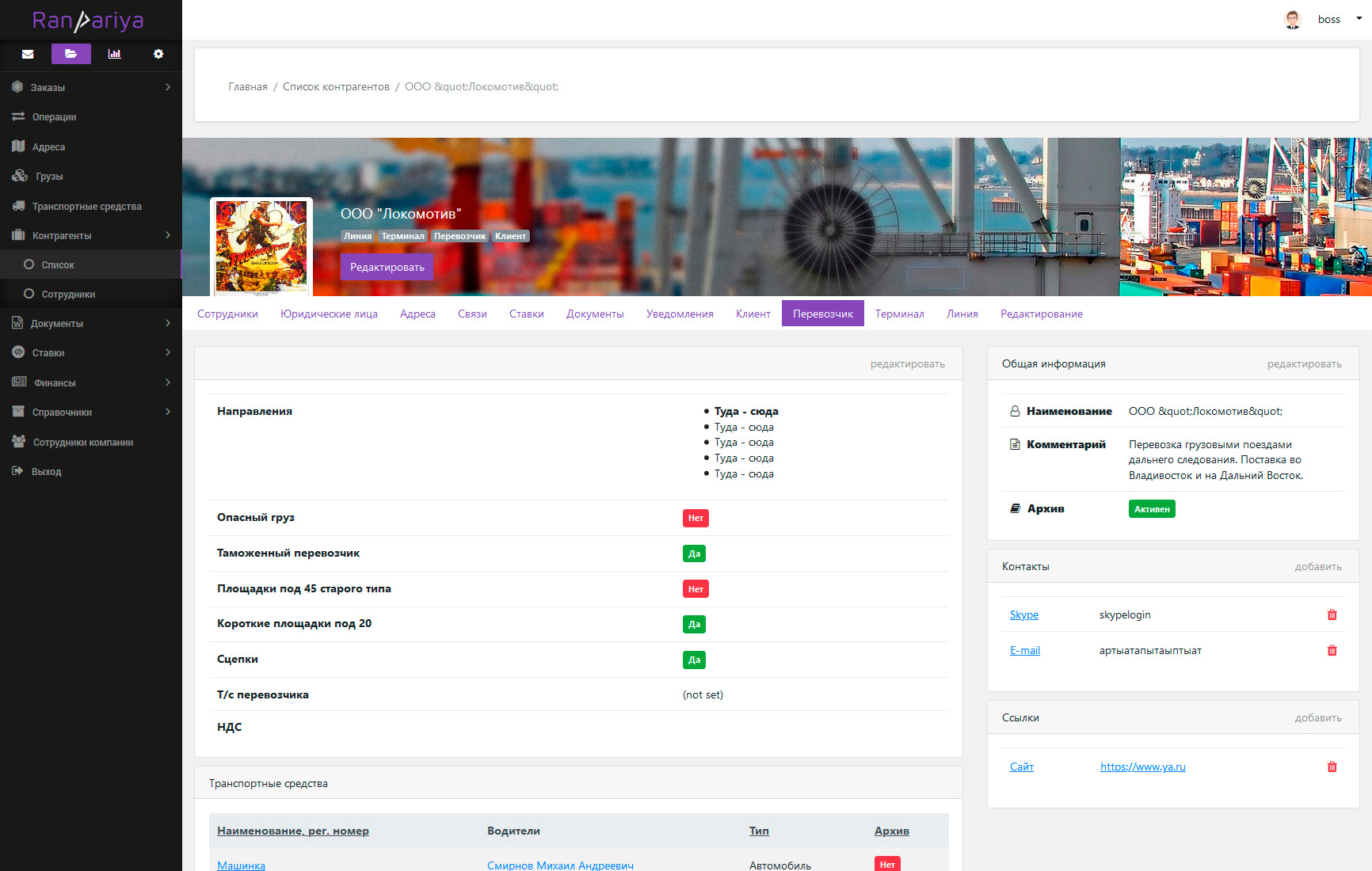
International container logistics by sea and rail: unified orders, containers, shipping documents and finance in one ERP platform. Confidential NDA project.

A St. Petersburg company needed services to automate international logistics — sea and rail container moves — but old software blocked fast order handling, container control, and end-to-end finance. Manual tariffs, invoicing, and payment matching drove errors and cost.
The customer supplied a technical requirements specification prepared by auditors together with employees — an approach that speeds up any automation start. We had to migrate history, respect department habits, and still land a scalable architecture for new routes.
We split delivery into parts using our best practices: features appeared incrementally while departments adopted modules, and new sections were added when real operation revealed gaps — especially where line staff resisted leaving legacy tools.
Implementation followed company departments: foundational order and counterparty modules first, then containers and documents, then finance hooks — each wave replaced Excel fragments users relied on.
We hit typical change-management friction because multiple legacy tools remained in memory; training, sandbox access, and post-go-live support eased the transition while we kept extending features requested during pilot use and the first month of production.
Four months of build time matched the fixed commercial scope; bank API integration for statements was part of simplifying finance work. Project and company names stay confidential under the customer’s NDA while internal users keep requesting small quality-of-life improvements.


We provided a ready production solution for international market logistics — sea and rail container transportation — while the public case stays high level because of confidentiality agreements on the client identity, operating brand, and contract details.
Good start-up preparation on the customer side let us deliver working departments incrementally, migrate open operations safely, and capture valuable industry expertise we now reuse in similar transportation projects for other freight forwarders.
Operations teams gained unified orders, containers, documents, and finance signals in one ERP-style contour; ESK gained reusable patterns for tariff calculation, invoicing, bank-statement reconciliation, phased department rollout, and practical change management in freight businesses operating under confidentiality constraints.
Describe the task — we will name the timeline and price within an hour.